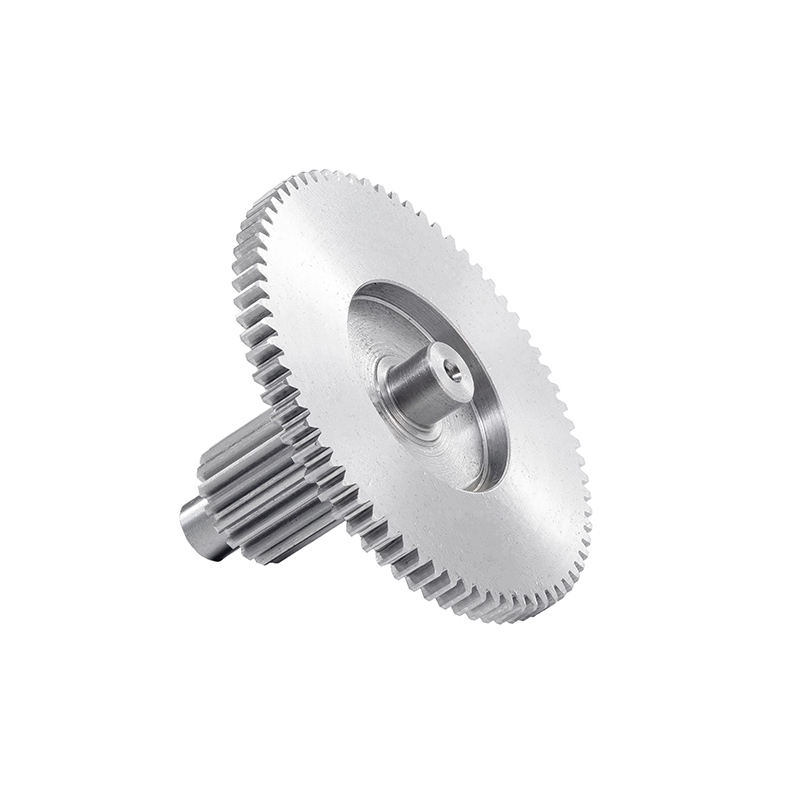
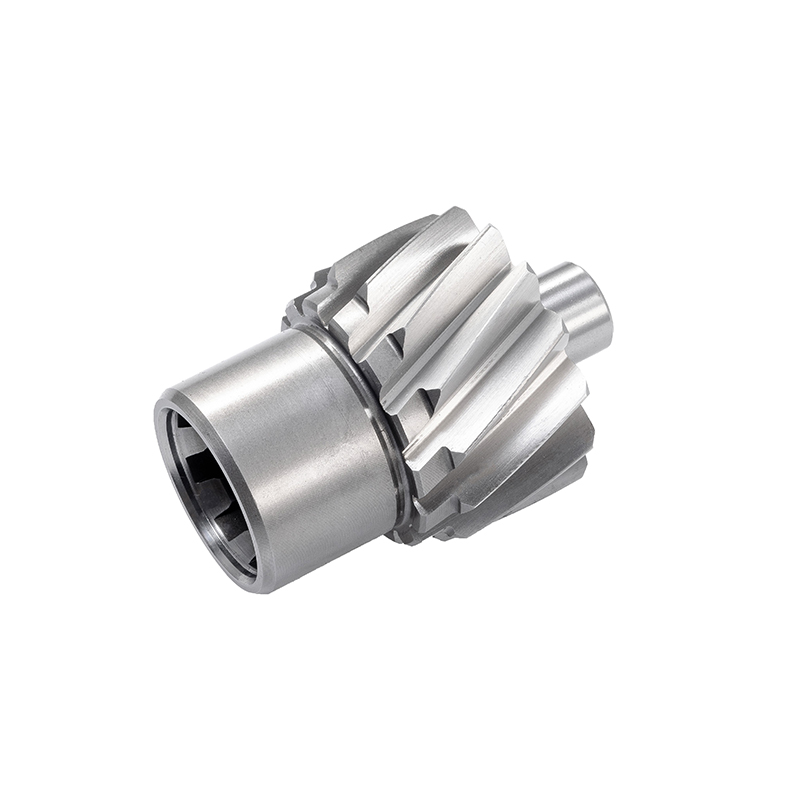
How to Improve Transmission Efficiency and Reduce Energy Loss in agricultural machinery gearbox gears?
Publish Time: 2026-04-30
As a core component for power transmission, the transmission efficiency of agricultural machinery gearbox gears directly affects the overall machine's performance and energy consumption. Especially under high-load conditions such as tilling and harvesting, insufficient gear transmission efficiency not only causes power loss but also increases fuel or electricity consumption. Improving transmission efficiency and reducing energy loss through material selection, structural design, and process optimization are key issues in gear design and manufacturing.1. Optimize Tooth Profile Design to Reduce Meshing LossesDuring gear transmission, energy loss mainly comes from meshing friction and impact. By optimizing tooth profile parameters, such as using involute profile modification, tooth tip modification, and tooth direction modification, gears can mesh more smoothly, reducing impact loads and sliding friction. This not only improves transmission smoothness but also effectively reduces energy loss, thereby improving overall efficiency.2. Use High-Performance Materials to Enhance Load-Bearing Capacity40Cr, as a commonly used alloy structural steel, has good strength and toughness. After carburizing and quenching, a high-hardness, wear-resistant layer forms on the gear surface, while the interior retains high toughness. This "hard on the outside, tough on the inside" structure makes the gear less prone to wear or deformation under high loads, thus maintaining a stable meshing state and reducing efficiency loss due to wear.3. Precision Machining Improves Meshing AccuracyGear machining accuracy directly affects transmission efficiency. High-precision grinding or hobbing processes can reduce tooth surface roughness and form and position errors, resulting in a tighter and more uniform meshing. Improved accuracy reduces vibration and noise generated during gear operation, while also reducing unnecessary frictional losses, contributing to efficient transmission.4. Optimized Heat Treatment Process Controls DeformationWhile carburizing and quenching significantly improve surface hardness, improper process control can cause gear deformation, affecting meshing accuracy. Therefore, heat treatment deformation should be reduced by properly controlling heating temperature, holding time, and cooling methods. Simultaneously, subsequent finishing or correction should be performed when necessary to ensure gear geometric accuracy, thereby maintaining efficient transmission performance.5. Improved Lubrication Conditions Reduce Frictional ResistanceGood lubrication is an important means of reducing energy loss. By selecting lubricating oil of suitable viscosity and optimizing the lubrication method, a stable oil film can be formed between the gear teeth, reducing direct metal-to-metal contact. This not only reduces frictional resistance but also dissipates heat, extending gear life.6. Structural Optimization Improves Overall EfficiencyIn gearbox design, the arrangement of gears also affects transmission efficiency. Reducing the number of transmission stages and optimizing the shaft layout can reduce energy loss during transmission. Simultaneously, properly controlling the fit precision between bearings and gears helps reduce additional resistance and improve overall system efficiency.7. Improving Assembly Quality Ensures Stable OperationGear assembly precision is equally crucial. If there is eccentricity or uneven clearance during assembly, it will lead to increased localized forces, thereby increasing friction and energy loss. Therefore, precise assembly and inspection should be conducted to ensure reasonable gear meshing clearance and good shaft alignment to guarantee long-term stable operation.Agricultural machinery gearbox gears, through synergistic optimization of tooth profile, material strengthening, precision machining, and lubrication improvements, can significantly improve transmission efficiency and reduce energy loss. Based on 40Cr carburized and quenched gears, through systematic design and manufacturing control, it can not only meet the requirements of high-load working conditions, but also effectively improve the economy and reliability of the whole machine.