What are the benefits of high-strength, deformation-resistant agricultural machinery gearbox gears for improving transmission stability during long-term operation?
Publish Time: 2026-03-21
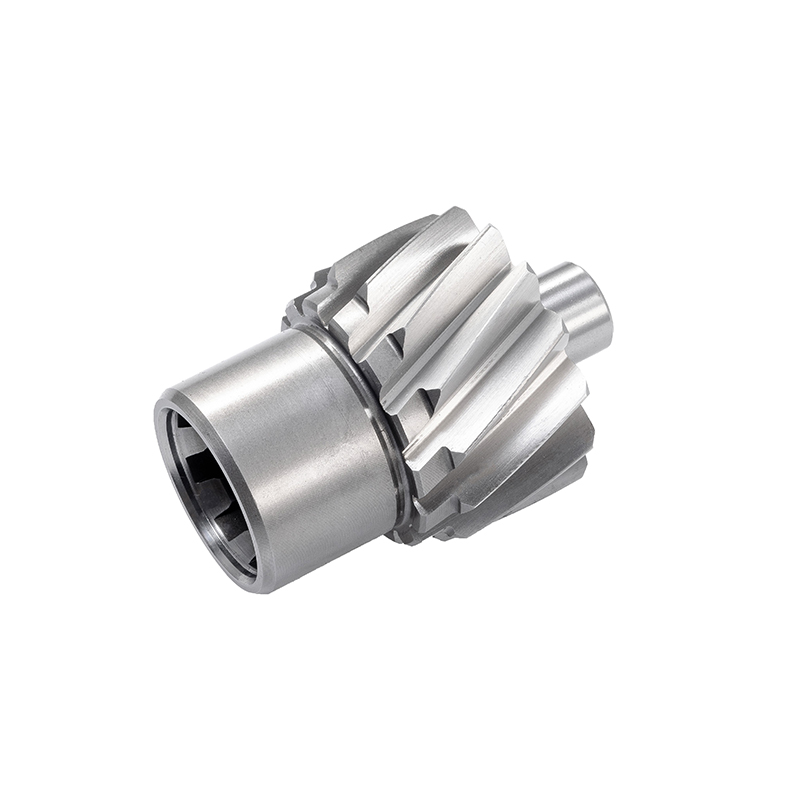
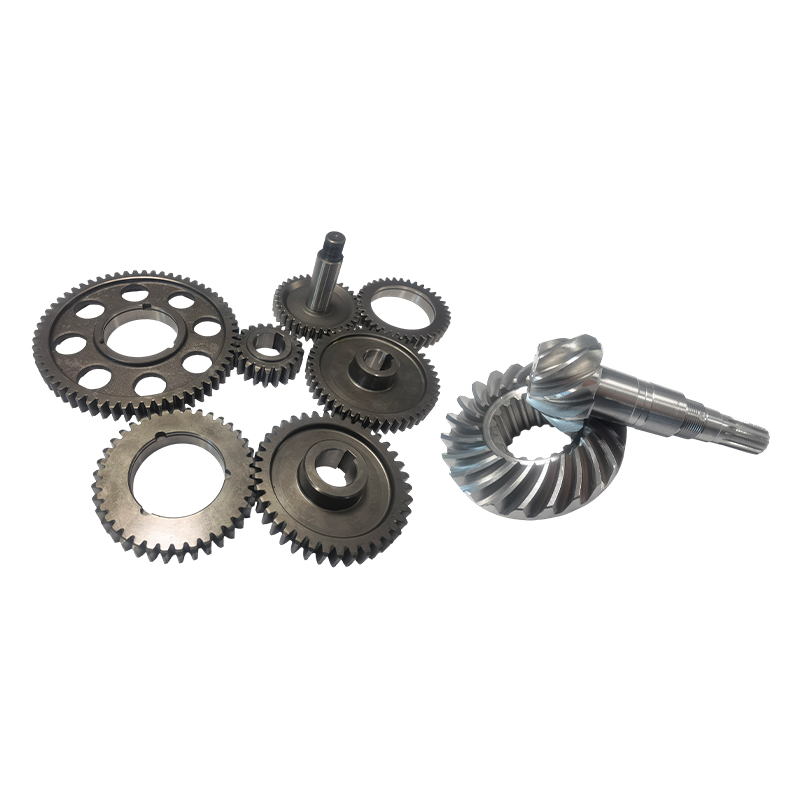
In the long-term, high-load, and complex operating environment of agricultural machinery, gearbox gears, as core transmission components, directly determine the stability and reliability of the entire machine. Agricultural machinery gearbox gears can maintain structural and dimensional stability under continuous stress and temperature changes, thus significantly improving the overall performance of the transmission system. This performance advantage is a crucial foundation for the efficient operation of modern agricultural equipment.1. Maintaining Meshing Precision: Ensuring Smooth Power TransmissionGears rely on precise tooth meshing to transmit power. Once a gear deforms, the tooth profile error increases, leading to poor meshing, increased impact, and even tooth skipping. Gears with high deformation resistance can maintain stable tooth profiles under long-term operation and repeated loads, ensuring that meshing precision is not compromised. This stable meshing state makes power output more continuous and smooth, effectively reducing vibration and impact.2. Reduce Vibration and Noise: Optimize Overall Machine PerformanceDuring agricultural machinery operation, such as tractor tilling or harvesting, the equipment is often subjected to high loads and uneven resistance. Even slight deformation of gears can lead to uneven contact, resulting in additional vibration and noise. Highly deformation-resistant gears maintain a uniform contact surface, reducing localized stress concentration and making the transmission process smoother. This not only improves equipment comfort but also helps extend the service life of other related components.3. Enhanced Load-Bearing Capacity: Coping with Complex Working ConditionsAgricultural machinery often faces adverse conditions such as soil resistance, stone impacts, and frequent start-stop cycles. These factors can cause significant impact loads on gears. Highly deformation-resistant gears typically achieve higher structural strength and toughness through material strengthening and heat treatment, maintaining shape stability under high stress and resisting plastic deformation or fatigue damage. This allows them to operate reliably under complex conditions, avoiding transmission failure due to structural changes.4. Extended Service Life: Enhanced System Long-Term StabilityGear deformation not only affects current operation but also accelerates wear and fatigue crack formation, creating a vicious cycle. Gears with deformation resistance effectively resist structural changes caused by long-term stress and temperature variations, slowing down the wear process at its source. Their stable structure helps maintain a good match between lubrication conditions and contact conditions, thereby extending overall service life and reducing maintenance frequency.5. Improved Transmission Efficiency: Reduced Energy LossA stable gear structure means more precise meshing, reducing energy loss caused by misalignment or deformation. When gears maintain a good shape, the contact surface is more uniform, frictional resistance is more controllable, and power transmission efficiency is higher. In agricultural machinery operating for extended periods, this efficiency improvement is not only reflected in power output but also helps reduce fuel consumption and improve overall economy.Strongly deformation-resistant agricultural machinery gearbox gears provide a solid and stable guarantee for the transmission system by maintaining meshing accuracy, reducing vibration and noise, enhancing load-bearing capacity, and extending service life. With the agricultural working environment becoming increasingly complex and the intensity of work constantly increasing, these high-performance gears are becoming an important support for achieving efficient and reliable mechanized production.