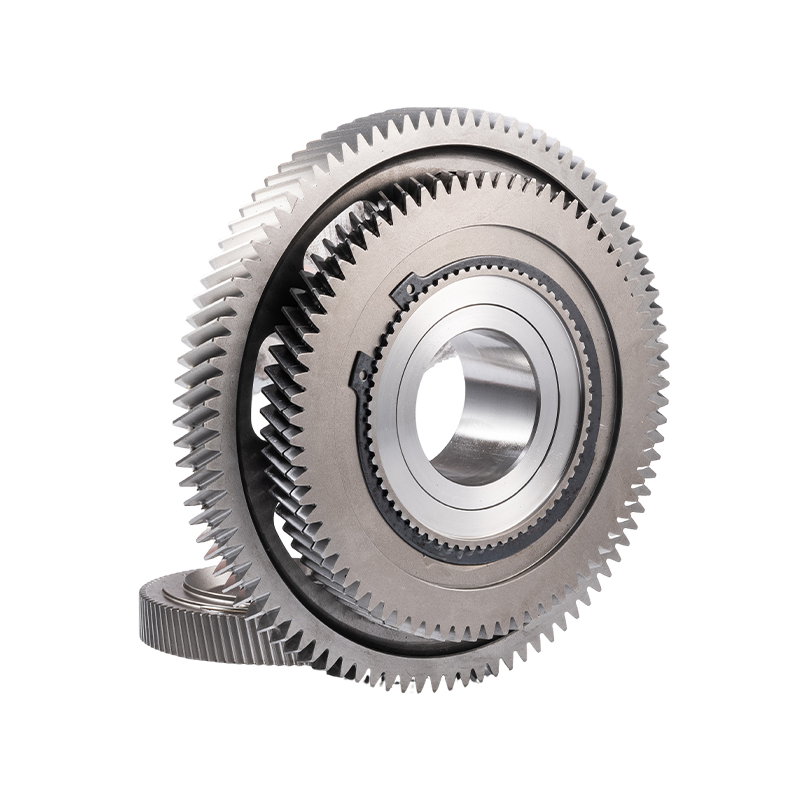
Special vehicle engine gear: The core of a specialized engine transmission optimized for long-haul transportation
Publish Time: 2026-02-04
In modern logistics and heavy-duty transportation systems, long-haul trucks are not only the carriers of the economic lifeline but also the ultimate test of the reliability, durability, and comfort of the power system. As the crucial link between the engine and transmission system, special vehicle engine gear, though hidden deep within the engine compartment, directly determines the smoothness of the vehicle's operation, fuel efficiency, and driving experience. With its three core advantages—low noise, high precision, and strong durability—special vehicle engine gear is quietly reshaping the power transmission standards of heavy-duty vehicles.1. Low Noise Design: A Technological Leap from "Roaring" to "Quiet Driving"Traditional heavy-duty trucks often exhibit noticeable gear meshing noise during high-speed cruising or hill climbing, affecting driver fatigue and exposing the poor matching of the transmission system. Modern special vehicle engine gear, through precise tooth surface modification, micron-level tooth pitch control, and high-precision gear grinding processes, significantly reduces meshing impact and vibration. Simultaneously, the optimized helix angle and overlap design allow multiple pairs of teeth to participate in the transmission simultaneously, distributing the load and smoothing the power transmission process. These technologies work synergistically to control gear operating noise to an extremely low level, achieving a quiet driving environment where "gears are silent," eliminating the disturbance of mechanical noise on long journeys.2. High-Quality Materials and Heat Treatment: The Foundation of Millions of Kilometers of ReliabilityLong-haul transport vehicles often exceed 200,000 kilometers per year, placing stringent demands on the lifespan of core components. Special engine gears generally use high-purity alloy steel and undergo advanced carburizing and quenching + cryogenic treatment processes to form a hardened layer with high hardness and high residual compressive stress on the tooth surface, while maintaining core toughness. This "hard on the outside, tough on the inside" structure resists pitting and wear under long-term alternating loads and effectively prevents impact fracture. Furthermore, strict metallographic control and non-destructive testing ensure that every gear meets aerospace-grade quality standards, truly achieving "reliable driving, worry-free for millions of kilometers."3. Optimized for Long-Distance Operations: A Balance of Efficiency, Smoothness, and MaintainabilityUnlike general-purpose gears, engine gears specifically designed for long-haul trucks are focused from the outset on typical operating conditions: prolonged high-speed cruising, frequent start-stop cycles, and continuous uphill climbing in mountainous areas. Their tooth profile parameters are verified through CAE simulation and real-world road testing, balancing transmission efficiency and NVH performance. High transmission efficiency translates to lower fuel consumption, while excellent dynamic balance characteristics reduce shaft vibration and extend the lifespan of bearings and seals. More importantly, these gears typically feature good interchangeability and standardized interfaces, facilitating quick replacement at service stations, minimizing vehicle downtime, and ensuring timely logistics.Special vehicle engine gear continues to unlock value through the deep integration of materials science, precision manufacturing, and system integration. Silently bearing immense power, it protects every heavy truck, ensuring its safe, smooth, and efficient journey across mountains and rivers. In the future, with the advancement of electrification and intelligentization, special gear technology will continue to evolve towards higher speeds, lighter weight, and more intelligent monitoring, writing a new chapter in heavy-duty transmission.