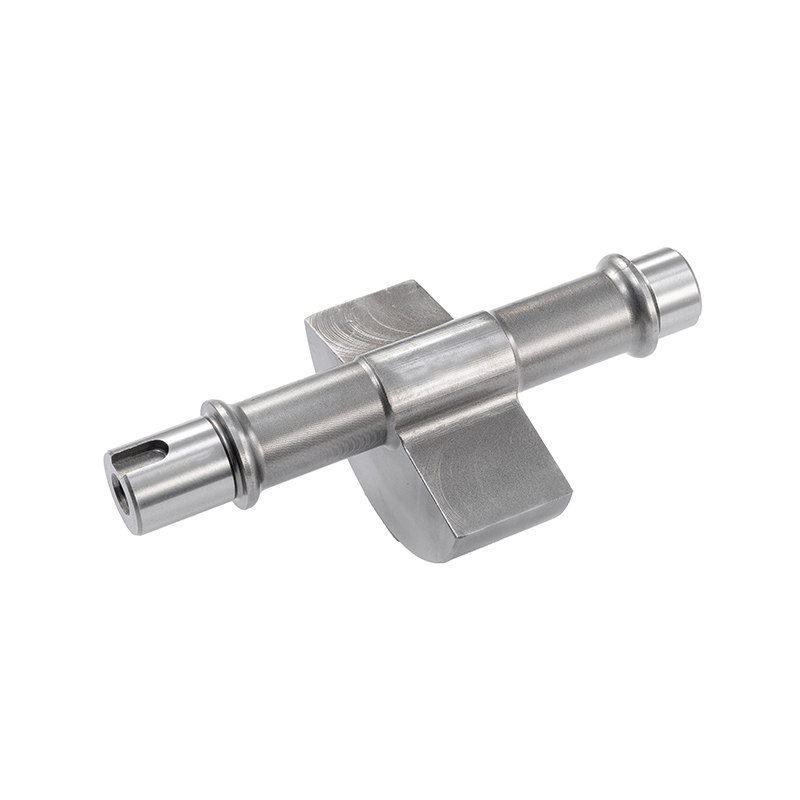
Why is a high-torque alloy steel gear drive shaft indispensable for the "power heart" of construction machinery?
Publish Time: 2025-12-12
In the field of modern construction machinery, whether it's an excavator, bulldozer, loader, or crane, their efficient, stable, and durable operating capabilities all rely on a key component—the transmission system. Within this transmission system, the high-torque alloy steel gear drive shaft, acting as the "power bridge" connecting the engine and the working device, bears the crucial mission of transmitting high torque and withstanding complex alternating loads. Therefore, the drive shaft, known as the "power heart" of construction machinery, must possess extremely high strength, toughness, and fatigue resistance. High-fatigue-resistant alloy steel, especially tempered 40Cr high-torque alloy steel gear drive shaft, is the core material choice to meet this stringent requirement.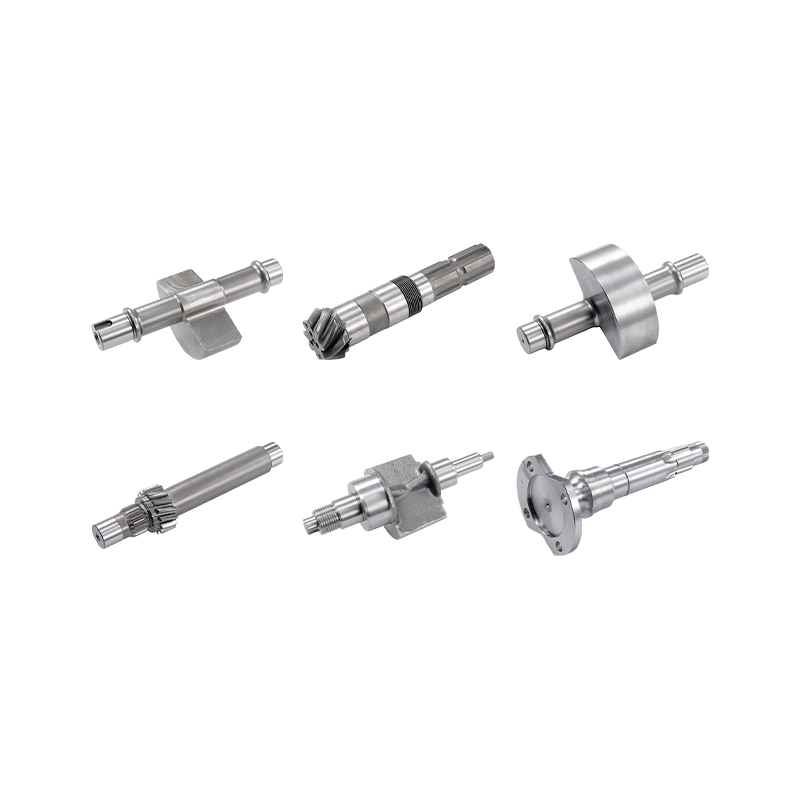
I. Extreme Requirements for Drive Shafts in Construction Machinery OperationsConstruction machinery typically operates in harsh environments: mud, dust, high temperatures, high humidity, and even frequent start-stop cycles, heavy-load impacts, rapid acceleration, or rapid deceleration. These conditions require the drive shaft not only to continuously transmit torques of hundreds or even thousands of Newton-meters but also to repeatedly withstand combined stresses such as bending, torsion, and vibration. Under such high-intensity, high-frequency alternating loads, ordinary carbon steel is highly susceptible to microcracks that propagate rapidly, ultimately leading to fatigue fracture.Once the drive shaft fails, it not only causes equipment downtime but may also trigger safety accidents. Therefore, drive shafts must be made of materials with excellent fatigue resistance, and their microstructure must be optimized through appropriate heat treatment processes to extend service life and ensure operational safety.II. 40Cr Alloy Steel: An Ideal Material Balancing Strength and Toughness40Cr is a typical medium-carbon alloy structural steel. The addition of chromium significantly improves the steel's hardenability, strength, and wear resistance, while also improving its tempering stability. Compared to ordinary carbon structural steel, 40Cr achieves higher comprehensive mechanical properties under the same heat treatment conditions.More importantly, after quenching and tempering, 40Cr forms a uniform and fine tempered sorbite structure. This structure combines high strength with good ductility and toughness, making it particularly suitable for withstanding alternating loads. This material characteristic is crucial for drive shafts in engineering machinery that require long-term high-load operation.III. Tempering Treatment: Releasing Internal Stress and Improving Fatigue LifeWhile quenching significantly improves the hardness and strength of 40Cr, it also introduces substantial internal stress, making the material brittle and negatively impacting fatigue resistance. Therefore, tempering treatment is essential—heating the quenched workpiece to 500-650℃, holding it at that temperature, and then slowly cooling it. This process not only effectively eliminates internal stress but also promotes the decomposition of martensite into a more stable tempered structure, thereby significantly improving the material's plasticity and toughness while maintaining sufficient strength.Studies have shown that the fatigue limit of 40Cr drive shafts treated with proper tempering can be increased by more than 20% compared to the untempered state. In practical applications, this means that the drive shaft can withstand millions or even tens of millions of alternating load cycles without crack initiation or propagation, greatly improving the reliability and service life of the equipment.IV. Structural and Functional Integration of High-Torque Gear Drive ShaftsModern engineering machinery drive shafts often integrate gear structures for speed changes or altering the direction of power transmission. These high-torque alloy steel gear drive shafts not only require high torsional strength in the shaft body but also high wear resistance and pitting resistance in the gear tooth surfaces. After surface carburizing or nitriding treatment, 40Cr material can further improve the tooth surface hardness while maintaining good toughness in the core, achieving the ideal state of "hard on the surface and tough on the inside."Furthermore, fatigue-resistant design is not only reflected in material selection but also in geometric optimization. For example, measures such as using rounded corners, reducing stress concentration, and precisely controlling surface roughness can effectively delay the initiation of fatigue cracks. Combined with the excellent properties of 40Cr material itself, these drive shafts can operate stably for a long time under extreme conditions.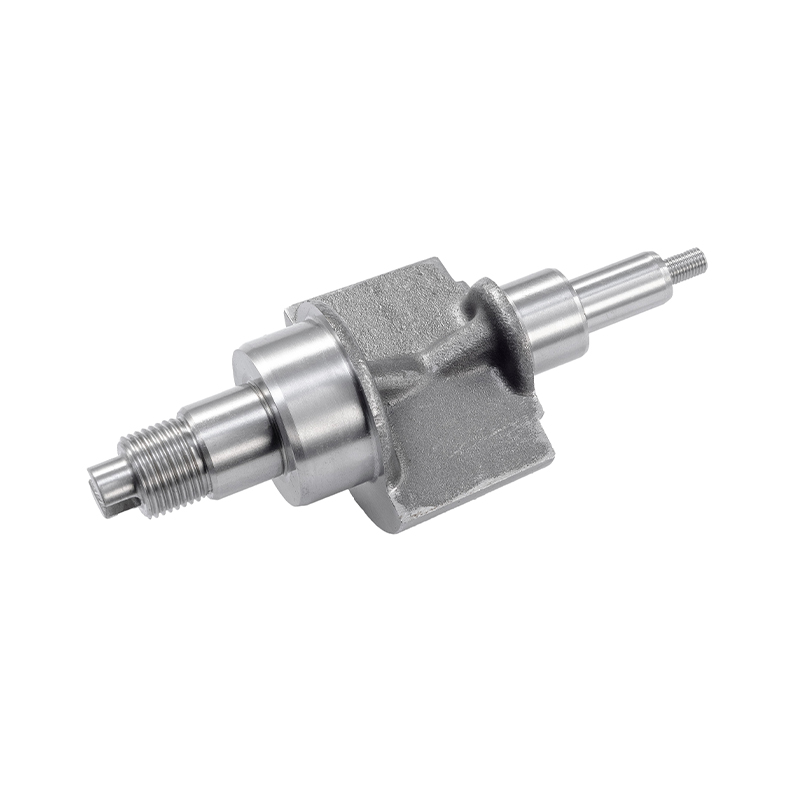
V. Industry Practice Verification: Widespread Application of 40Cr Drive Shafts40Cr drive shafts with high fatigue resistance design have a significantly higher mean time between failures (MTBF) than drive shafts made of ordinary materials, extending maintenance cycles by more than 30% and significantly reducing total life cycle costs. This also practically confirms the assertion that the "powerful heart" cannot function without high-performance high-torque alloy steel gear drive shafts.The high efficiency of construction machinery rests on the reliability of every key component, and the drive shaft, as the core hub for power transmission, directly determines the stability and durability of the entire machine. High-fatigue-resistant 40Cr high torque alloy steel gear drive shafts, with their excellent comprehensive mechanical properties, mature heat treatment processes, and reliable engineering application performance, have become an indispensable "power heart" of modern construction machinery.